Post Civil War: 1865-1910
The Realism Period of Literature took place Post Civil War, circa 1865-1910. Works of the time were documentary in nature and considered a “window to the world”. The themes contained therein reflected true views of society. Female characters in literature who deviated from societal expectations generally met an unfortunate fate, e.g. “the fallen woman”.
Society’s expectations of women were many, including: virtue, purity, beauty, restraint, and submission.
The photo of Mrs. Jessie Vanderbilt McNamee provides an example of the standards of fashion, countenance, and submission expected of a “lady” in this era.
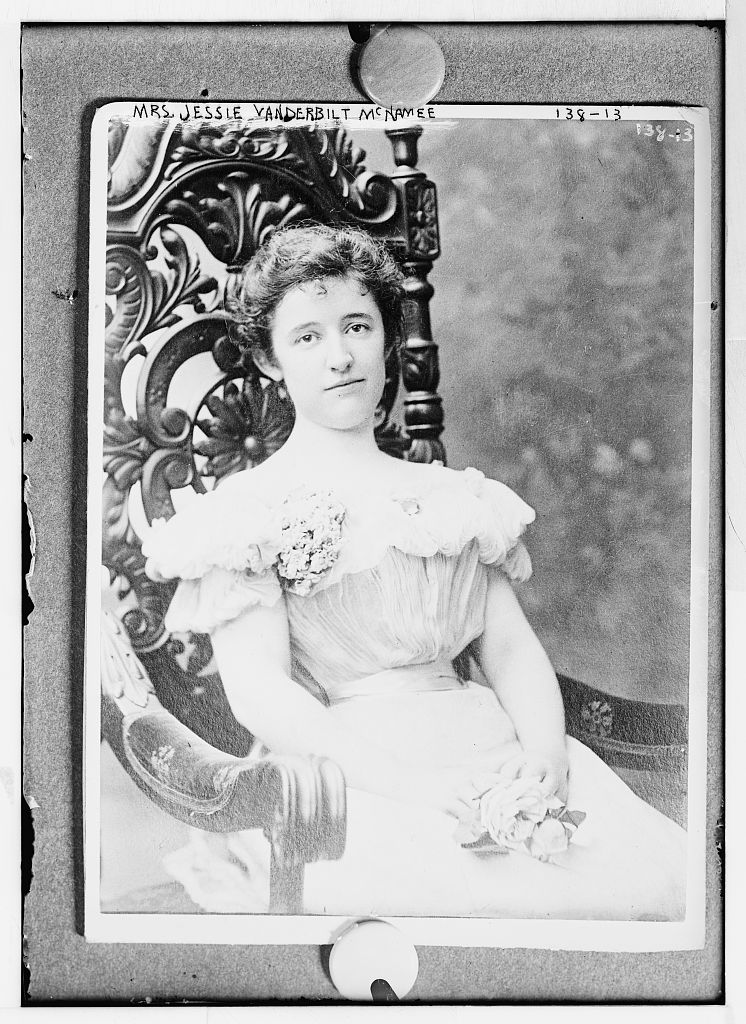
Photo Source:
Mrs. Jessie Vanderbilt McNamee, seated, Jessie Vanderbilt Simons papers, 1870-1936 and undated, David M. Rubenstein Rare Book & Manuscript Library, Duke University
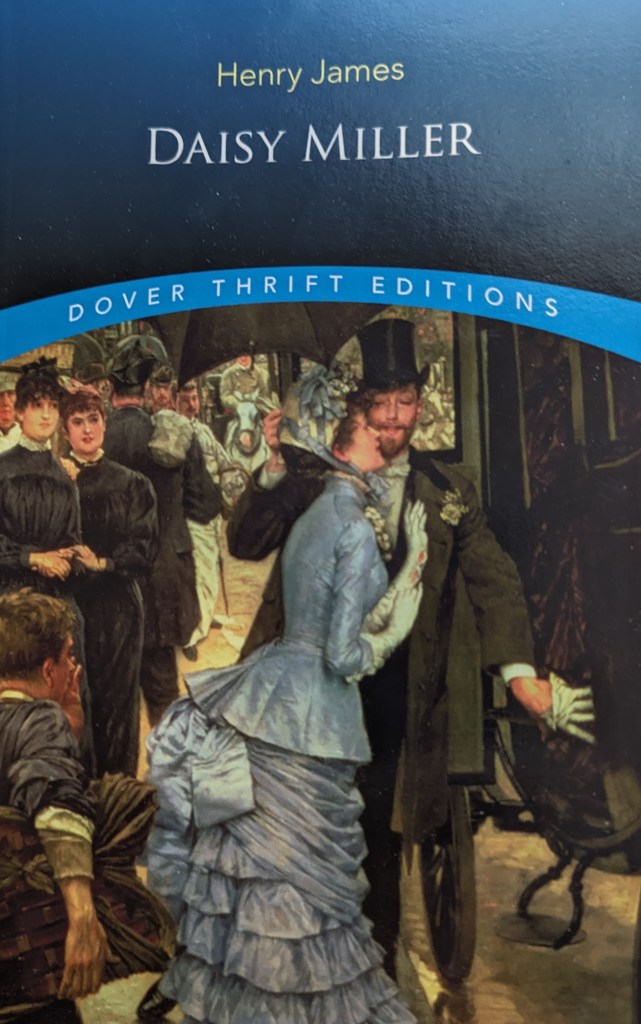
The theme of “the fallen woman” is used by Henry James in his novella Daisy Miller, published in 1878. The title character is a self-professed “flirt” who suffers an early demise as a result.
Throughout the work, Daisy’s youth and beauty are emphasized. She is shunned by other members of society for her indiscretions, though continues to “behave badly”.
After a late evening entertaining a gentleman in Rome, Daisy contracts malaria and succumbs to the illness. Her last words were a request that her mother dispel the notion of Daisy’s sexual impurity in the mind of suitor Winterbourne, narrator of the tale.
1Barringer, J. M. Little Bessie. Monographic. Audio. Retrieved from the Library of Congress, www.loc.gov/item/sm1876.7606110/.
 Changing Societal Views of Femininity as Shown in Literature