1945 –
The Contemporary Period of Literature began circa 1945 and continues. It has been characterized by its many diverse writers which, in turn, appeal to diverse populations of readers.
Contemporary literature explores identity politics and is, at least, partially autobiographical. It draws from the writer’s personal experience.
Themes during this time have shed light on contemporary social issues.
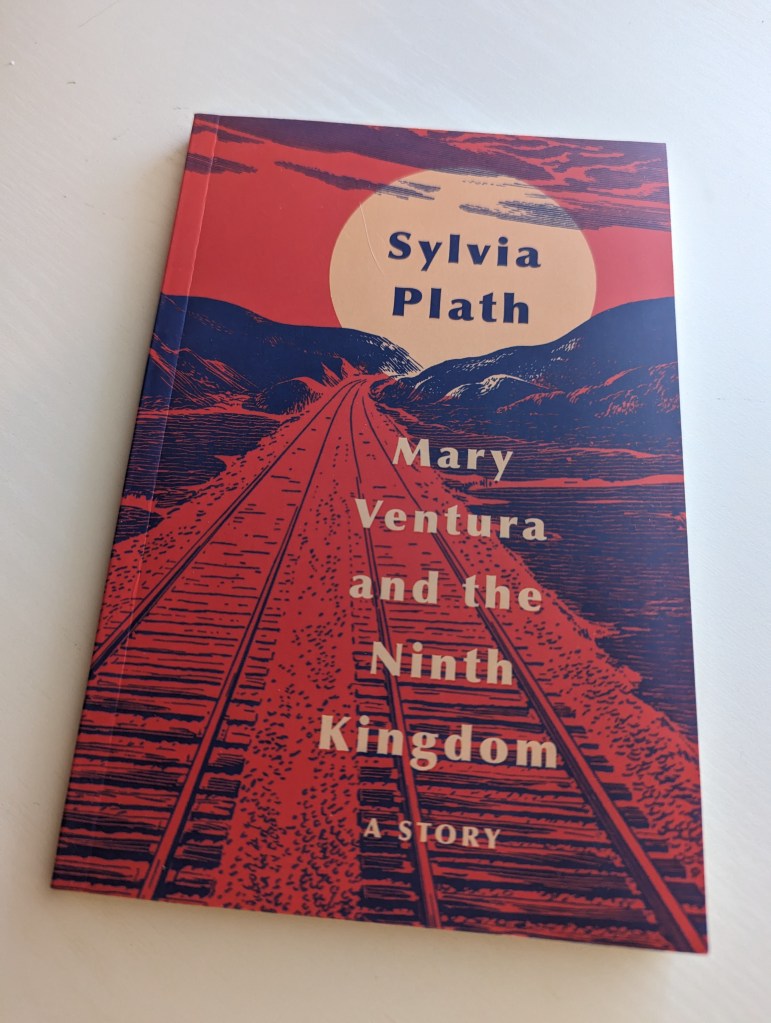
One example of literature from the Contemporary Period is Sylvia Plath’s story, Mary Ventura and the Ninth Kingdom, published in 1952. Mary Ventura is a young girl forced onto a train by her parents with no knowledge of where she is going or what her purpose may be. She is simply following orders as a “good girl” should. Along her journey, she realizes this path leads to destruction and pain. A woman passenger aboard the train tells Mary that she can help if only Mary would ask.
Plath utilized bold symbolism in this story to present various themes regarding gender and other social issues.
The name “Mary” represents the Christian figure of the Virgin Mary, pure and virtuous. Her last name, “Ventura” symbolizes the journey, or venture, that Mary finds herself on.
Repeated reference to “red lights” during Mary’s journey signified a warning to her to stop. She was on the wrong path, a path that was not her own.
The fact that Plath employed a woman passenger to help Mary was a symbol of “sisterhood”. It could only be a woman who showed Mary how to follow another path than the one forced upon her by others.
1Smith, Carl, Carter Sisters, and Mother Maybell Carter. Amazing Grace. Columbia Records, monographic, 1952. Audio. Retrieved from the Library of Congress, www.loc.gov/item/ihas.200149074/.
 Changing Societal Views of Femininity as Shown in Literature